

Skip to content
SkillJosh

$ git push origin main

Three agents. One memory. Less burn.

A 2-hour live workshop on running Claude Code, Codex and ChatGPT together: one shared memory, a plan for five-hour usage limits, and clean handoffs when you switch.

When
Being scheduled
Time
—
Format
2h live · Zoom
Language
English + Hindi
Next batch being scheduled
₹149

Sign in to prefill checkout, or create an account to keep your recordings. Neither is required to book.

Illustrative photo: a developer's hands on a laptop at a wooden desk, three code panes open on screen beside a mug of chai and an orange notebook
live, on your own laptop
2 hrs

live, on your own laptop

project deployed live
1

project deployed live

products shipped by your instructor, listed below
5

products shipped by your instructor, listed below

Deliverables
5

things you leave with

Why this, why now

The moment you use a second agent, your project knowledge splits.

The moment you use a second agent, your project knowledge splits. Each tool wants its own instructions file, none of them remembers what another just did, and you end up re-explaining the same codebase and repeating the same setup. Then a usage window runs out mid-task and the work stalls. What survives a switch between agents is only what is written down in your repo, and almost nobody writes it down well, because it is boring to demo.

What changed

Developers increasingly keep more than one coding agent open at once, and the skill that matters has moved from prompting a single tool to running several without losing context or burning through limits. It is a habit and a file structure, learnable in one session.

Who teaches it

Taught by the people who actually ship this.

Portrait of Ramachandra Vikas Chamarthi

Ramachandra Vikas Chamarthi

Systems Architect — builder of XeoRank

www.linkedin.com/in/ramachandravikas/ →
  • Built XeoRank, a production AI SEO/AEO platform
  • Ships with AI coding agents daily, in production
  • Former Head of AI/ML at HeyNeo and Head of MLOps at Code and Theory (Stagwell Group), both US companies
  • Master's degree from the University of North Carolina at Charlotte
Shipped

Products shipped by your instructor.

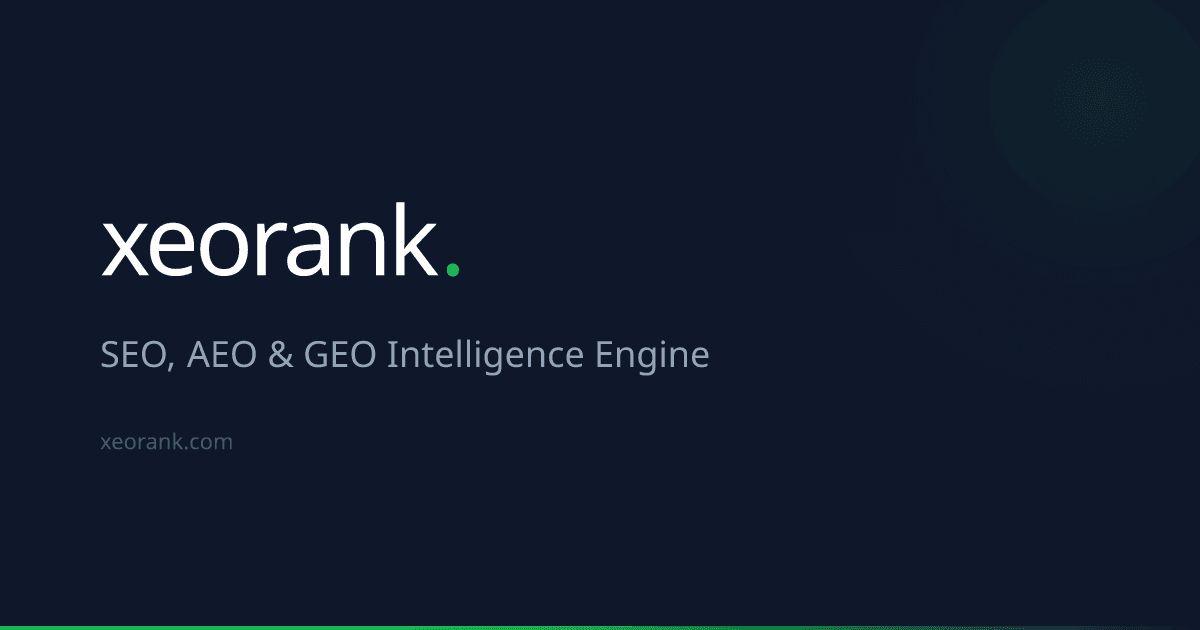
XeoRank product card

XeoRank

SEO, AEO & GEO intelligence engine for developers. Agent-first product: MCP server, site crawler, scoring engines, WordPress control plane.

Open it →
AdFargo product card

AdFargo

AI creative strategist that learns a brand from its URL and generates on-brand ads, video and copy. Generative pipeline from brand ingestion to multi-format output.

Open it →
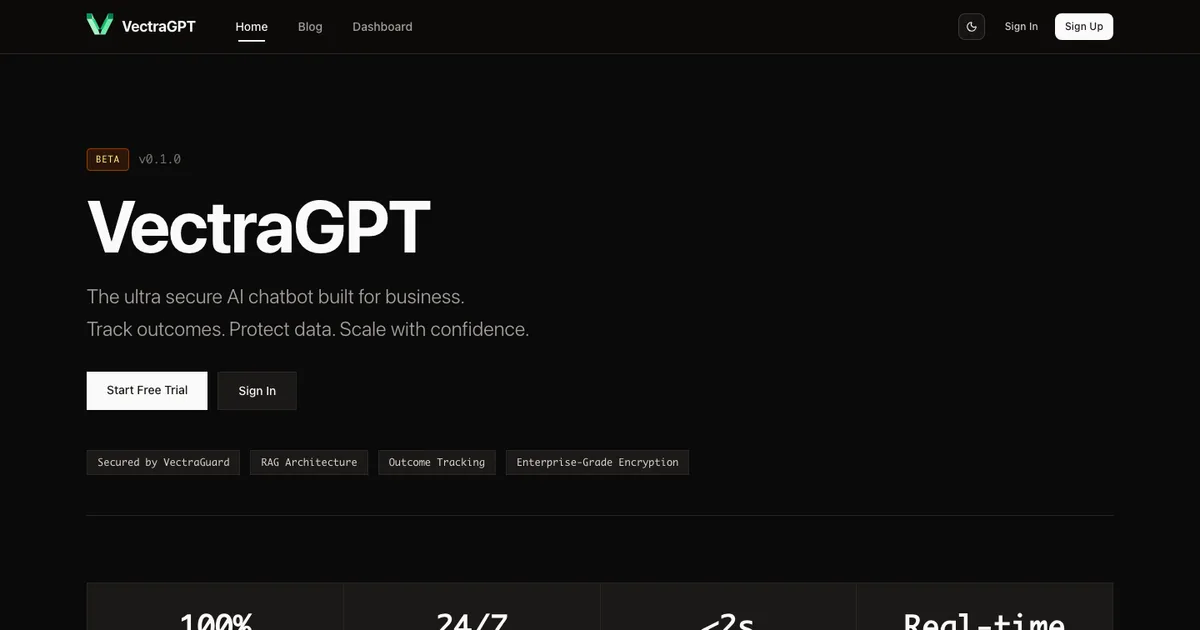
VectraGPT product card

VectraGPT

Secure AI chatbots for HR, support and sales. RAG platform end to end: ingestion, retrieval, guardrails, multi-tenant serving.

Open it →
BuildUNIX product card

BuildUNIX

Construction execution platform for PMC firms. Full-stack: Next.js, Postgres, async job pipeline, field-team mobile flows.

Open it →
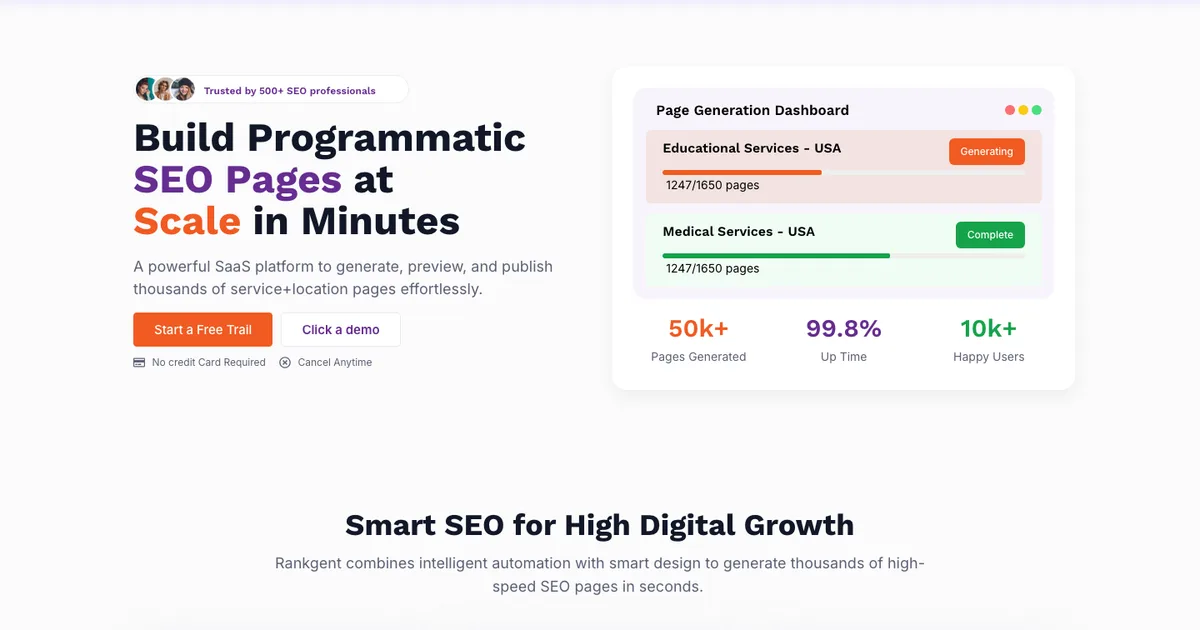
Rankgent product card

Rankgent

Programmatic SEO platform to generate, preview and publish service and location pages in bulk. Page-generation engine with templating and bulk publishing.

Open it →

What we actually cover

4 modules. Each ends with something working.

Module 1

The setup, installed live

  • Claude Code, Codex and ChatGPT: what each is best at
  • Install and configure on your laptop, with failures fixed on call
  • Accounts and plans: what is free, what is trial, what is worth paying for

You can then

All three tools working on your machine

Module 2

One memory for every agent

  • The rules file: teach the agent your project once, not every prompt
  • One source of truth: AGENTS.md as the file every tool reads, with CLAUDE.md pointing at it
  • Handoff notes, so a second agent picks up exactly where the first stopped
  • The brief-review-redirect loop, and catching an agent that drifts

You can then

A project every agent understands the same way

Module 3

Living inside limits and five-hour windows

  • How plan limits and rolling usage windows work, and how to see where you stand
  • Spending a window on the work that earns it: plan cheap, build in bursts, review before you run out
  • Splitting work across tools so one hitting its limit does not stop you

You can then

A way of working that does not stall mid-task

Module 4

Build it, ship it

  • Direct an agent through a first real page
  • Git in the minimum you need to never lose work, then deploy to a live URL
  • What to build next, and how the 4-week cohort goes deeper

You can then

A live project you can send to someone today

You will walk away able to

  • 01Set it up once: one source-of-truth rules file that Claude Code, Codex and ChatGPT all read, instead of re-explaining your project to each tool
  • 02Switch models without losing the thread: handoff notes so the second agent picks up exactly where the first stopped
  • 03Plan around five-hour usage windows: what to spend a window on, how to work toward a reset, and what to do when one tool runs out
  • 04Give each job to the right tool, so a cheap task never eats the limit a hard one needed
  • 05A first project built across your agents and deployed to a live URL before the session ends

Who this is for

Developers, freelancers, students and marketers who already use ChatGPT or an AI coding tool, now run or want to run more than one agent, and are tired of re-explaining the project, repeating setup, and hitting a usage limit mid-task.

Who this is NOT for

Complete beginners who have never used ChatGPT or an AI coding tool: this builds on tools you already use. Also not for people who want a recorded course to watch passively, or developers already running a shared rules-file and handoff workflow across agents. The session is hands-on: you will build on your own machine.

The full run of show.

Published before you pay, to the minute. Nothing is pre-built off screen.

Next batch being scheduled
  1. 11:00–11:10

    What a pro setup actually is

    The three tools, and the gap between prompting and directing

  2. 11:10–11:35

    Install-along

    Claude Code, Codex and ChatGPT configured live, with help when it breaks

  3. 11:35–12:05

    One memory for every agent

    Write one rules file all three tools read, plus a handoff note for passing work between them

  4. 12:05–12:25

    Limits and five-hour windows

    How usage windows work, how to plan around a reset, and what to do when one tool runs out

  5. 12:25–12:50

    Build it, ship it

    Direct an agent through a real page, save it with git, deploy to a live URL

  6. 12:50–13:00

    What to build next

    Q&A, and the 4-week cohort application, introduced once

Testimonials

This cohort hasn't run yet, so there are no quotes to show. We publish one when a real attendee gives us one and signs off on it being public — until then, the agenda above and the refund policy are what we're asking you to judge.

The specifics.

Date
Next batch being scheduled
Time
—
Format
2 hours live · zoom
Language
English + Hindi
Recording
Yes — within 24 hours
Certificate
Not included
Seats
300 per cohort

What you leave with

  • The Pro Setup Checklist — every install and config step, reproducible after the session
  • The Shared Memory Kit — one AGENTS.md that CLAUDE.md imports, plus a handoff-note template for passing work between agents
  • The Brief Template — goal, constraints, done-when — for tasks agents actually finish
  • The Tool Split and Limits Map — which job goes to Claude, Codex or ChatGPT, and how to plan work around five-hour usage windows
  • Your first project, deployed to a live URL

Before you decide

Why ₹149 when there are free videos on YouTube?

Videos show you someone else's screen. This is a live session on your own laptop, where the install errors, the rules file and the first deploy get fixed with you in the room. The small fee also keeps the room full of people who actually turn up and build.

I have never written code. Can I keep up?

If you already use ChatGPT or an AI coding tool, yes. You direct the agent in plain language; the only typing is prompts and a few terminal commands we run together, slowly, with help when something breaks. If you have never used any of these tools, start with their free tiers first, because this session builds on that.

Do I need paid plans for Claude, Codex or ChatGPT?

Not to start. We set up with what you have and show exactly where each free or low-cost tier runs out, so you only pay for something once you know it earns its place. Some features need a paid plan; we mark which.

What are usage limits and five-hour windows, and why do they matter?

Many AI coding plans meter your usage in rolling windows, commonly around five hours, after which your allowance resets. Run out mid-task and your work stalls. Exact limits differ by plan and change over time, so we do not teach numbers to memorise: we teach how to check where you stand, how to spend a window on the work that earns it, and how to hand a task to another agent cleanly when one runs out.

How do I stop switching between Claude and Codex from losing my context?

One agent's chat history does not travel to another, so the only memory that crosses tools is what is written down in your repo. We set up one rules file all the tools read, plus a short handoff note whenever work moves between them, so the second agent starts where the first stopped instead of from scratch. We do it on your project in the session.

Is this a sales pitch for something bigger?

There is a 4-week cohort, and we will tell you about it in the last ten minutes — once, with the details and an application. It is optional and selective, and nothing earlier in the session depends on it.

What if I can't attend live?

The recording, checklist and templates arrive within 24 hours. Live is where you get unstuck in minutes, so come if you can.

Refunds?

Full refund before the session starts, no questions. See the refund policy.

This batch has closed.

Join the list and you'll hear about the next batch before it's announced anywhere else.

Next batch being scheduled

₹149 · Full refund any time before the session starts

Chat